
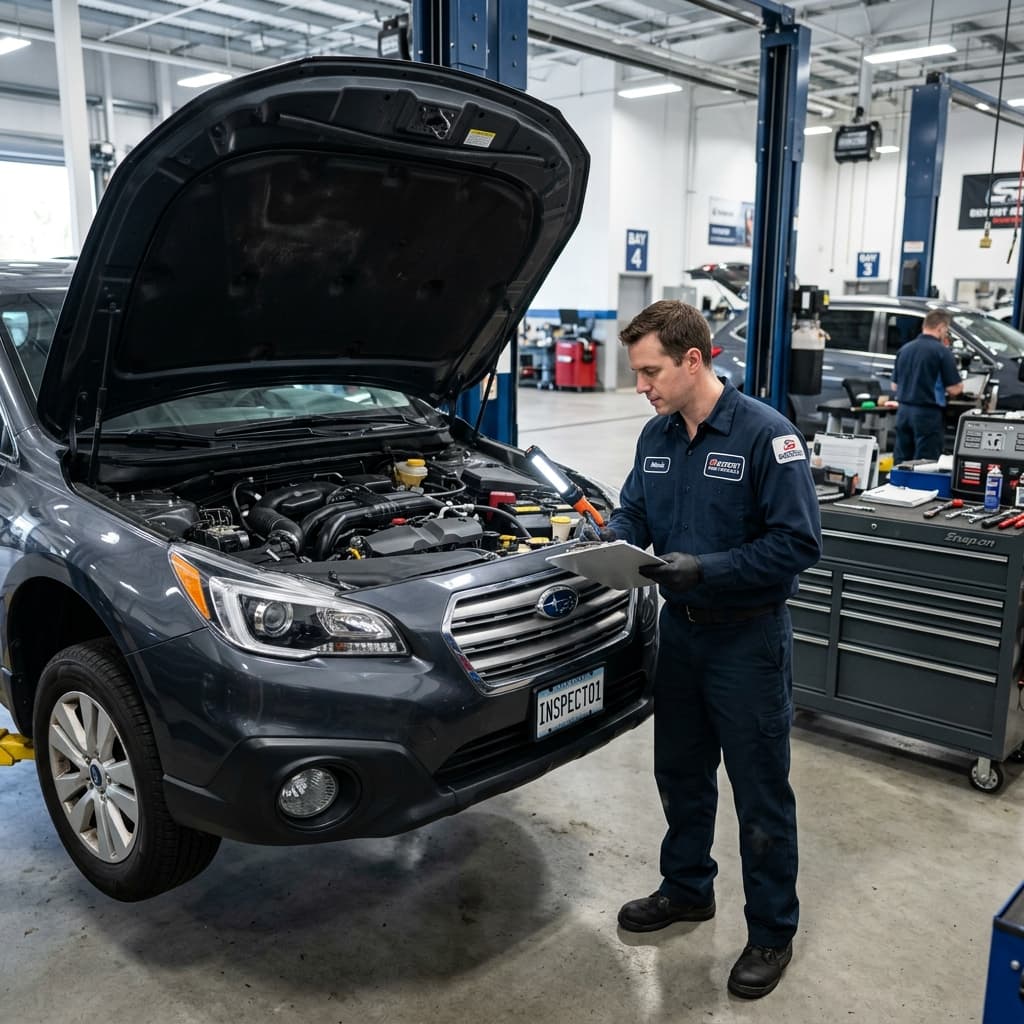
A vehicle inspection is one of the smartest investments you can make in your car, truck, or SUV. It's a systematic, bumper-to-bumper evaluation of every major system — brakes, tires, engine, suspension, electrical, and more — designed to catch developing problems while they're still small and affordable to fix. Whether you're keeping up with routine maintenance, buying a used car, or preparing for a road trip, a thorough vehicle inspection gives you confidence that your vehicle is safe, reliable, and road-ready.
Types of Vehicle Inspections
Multi-Point Inspection (Routine Maintenance)
This is the most common type of vehicle inspection and the one most drivers encounter during regular service visits. A multi-point inspection is a comprehensive checklist that covers all major systems — fluid levels, brakes, tires, belts, hoses, battery, lights, and more. Many shops, including Chloe's, perform a complimentary multi-point inspection with every oil change or scheduled service.
Pre-Purchase Inspection (Buying a Used Car)
Planning to buy a used vehicle? A pre-purchase vehicle inspection is essential. An independent mechanic examines the car for hidden mechanical issues, accident damage, frame problems, and deferred maintenance that the seller may not disclose. This $100–$150 investment can save you thousands by revealing costly problems before you commit.
State Safety and Emissions Inspection
Texas requires an annual state vehicle inspection covering safety items like brakes, lights, horn, windshield, and tires. Our Chloe's Spring, TX location performs Texas state inspections on-site. In Georgia, vehicles in the metro Atlanta area must pass an emissions inspection — our Roswell, GA location handles Georgia emissions inspections and can help resolve any failed results.
Seasonal Inspection
Extreme weather puts extra stress on your vehicle. A seasonal vehicle inspection before summer checks your cooling system, AC, battery, and tires for heat readiness. Before winter, the focus shifts to battery health, heater operation, tire condition, and wiper blades. In Georgia and Texas, summer heat is the biggest threat — a pre-summer inspection catches cooling system weaknesses before they leave you stranded.
Pre-Road-Trip Inspection
Before any long drive, a pre-trip vehicle inspection gives you peace of mind. Technicians check tire condition and pressure, brake performance, fluid levels, belts, hoses, lights, and wiper blades — everything that could fail far from home. A 30-minute inspection beats a 3-hour roadside wait for a tow truck.
What a Complete Vehicle Inspection Includes
Engine and drivetrain — Technicians check oil condition and level, transmission fluid, power steering fluid, belts for cracking or glazing, hoses for soft spots or leaks, and scan for diagnostic trouble codes. These checks catch oil leaks, worn belts, and fluid contamination before they cause breakdowns.
Brakes — Brake pad thickness is measured, rotors are inspected for scoring or warping, brake fluid level and condition are checked, and brake lines are examined for corrosion or leaks. Your brakes are your most critical safety system, and a vehicle inspection is the best way to know exactly how much life is left in them.
Tires and wheels — Tread depth is measured across the tire face, wear patterns are evaluated for alignment issues, tire pressure is checked and adjusted, and wheels are inspected for damage. Uneven wear patterns during a vehicle inspection often reveal suspension or alignment problems that would otherwise go unnoticed.
Suspension and steering — Shocks and struts are checked for leaks and performance, ball joints and tie rod ends are tested for play, control arm bushings are inspected, and the steering system is evaluated for looseness or noise. Worn suspension components affect handling, braking distance, and tire life.
Electrical system — Battery health is tested (voltage and cold-cranking amps), alternator output is verified, all exterior and interior lights are checked, and the starter is evaluated. A weak battery caught during a vehicle inspection is a $150 fix — a dead battery on a Monday morning is a missed day of work.
Cooling system — Coolant level and condition are checked, hoses are squeezed for soft spots or swelling, the radiator is inspected for leaks, and the thermostat's operation is verified. Cooling system failures are the number-one cause of roadside breakdowns in summer.
Exhaust system — The exhaust is inspected for leaks, the catalytic converter is checked, and emissions components are evaluated. Exhaust leaks can allow carbon monoxide into the cabin — a serious safety hazard that a vehicle inspection catches.
How Chloe's Does Vehicle Inspections Differently
At Chloe's Auto Repair & Tire, every vehicle inspection comes with a digital inspection report complete with photos. You'll see exactly what our technicians see — pictures of your brake pads, tires, belts, and any areas of concern. There's no guesswork, no pressure, and no surprises. We show you what needs attention now, what can wait, and what's in good shape. You decide what gets done — we just give you the information to make a smart decision.
What Commonly Fails a Vehicle Inspection?
Based on the thousands of vehicle inspections we perform each year, the most common items that get flagged include:
- Worn brake pads — pads below 3mm need immediate replacement
- Low or contaminated fluids — brake fluid, coolant, or transmission fluid that's overdue for service
- Worn or cracked tires — tread below 2/32" or sidewall damage
- Weak battery — testing below 12.4 volts or failing the load test
- Cracked or glazed belts — serpentine belts showing age
- Burnt-out lights — brake lights and turn signals you can't see from the driver's seat
- Leaking hoses — coolant or vacuum hoses that are seeping or swollen
- Failed emissions components — check engine light on for catalytic converter or O2 sensor codes
How Long Does a Vehicle Inspection Take?
A comprehensive vehicle inspection typically takes 30 to 60 minutes, depending on the vehicle and the type of inspection. A basic multi-point inspection during an oil change adds about 15 minutes. A full pre-purchase inspection is more thorough and may take up to 90 minutes, including a test drive and detailed documentation.
How Much Does a Vehicle Inspection Cost?
A comprehensive vehicle inspection costs $50 to $150, depending on the scope. At Chloe's, our multi-point inspection is complimentary with most services like oil changes and tire rotations. Standalone inspections and pre-purchase inspections are competitively priced because we believe every driver deserves to know the true condition of their vehicle. Texas state inspections follow the state-set fee schedule.
How Often Should You Get a Vehicle Inspection?
At minimum, schedule a vehicle inspection once a year or every 12,000 miles — whichever comes first. If you drive in stop-and-go traffic, on rough roads, or put high miles on your vehicle, inspecting every 6 months is a smart move. And always get an inspection before buying a used car, before a long trip, and whenever you notice anything unusual about how your vehicle drives.
Red Flags That Mean You Need an Immediate Vehicle Inspection
- Dashboard warning lights (check engine, ABS, brake, battery, temperature)
- Unusual noises — grinding, squealing, clunking, or knocking
- Vibrations in the steering wheel, brake pedal, or seat
- Vehicle pulling to one side during driving or braking
- Fluid spots under your vehicle (oil, coolant, transmission fluid, brake fluid)
- Burning smells from the engine bay or brakes
- Reduced braking performance or a soft brake pedal
- Difficulty starting or a slow engine crank
Frequently Asked Questions About Vehicle Inspections
How much does a vehicle inspection cost?
A standalone comprehensive vehicle inspection typically costs $50–$150. At Chloe's Auto Repair & Tire, we include a multi-point inspection complimentary with most services. Pre-purchase inspections and specialty inspections are priced based on scope.
How long does a car inspection take?
Most vehicle inspections take 30–60 minutes. A quick multi-point check during an oil change takes about 15 minutes, while a thorough pre-purchase inspection can take up to 90 minutes.
What do they check during a vehicle inspection?
A complete vehicle inspection covers brakes, tires, engine, transmission, suspension, steering, electrical system, cooling system, exhaust, lights, fluid levels, belts, hoses, and battery health. The goal is to evaluate every major system for safety and reliability.
Can I drive my car if it fails inspection?
It depends on what failed. For a Texas state inspection failure, you have a limited window to make repairs and return for re-inspection. For safety-related failures like worn brakes or bald tires, we strongly recommend addressing those immediately — driving with failed safety components puts you and others at risk.
What is a multi-point inspection?
A multi-point inspection is a comprehensive checklist-based evaluation of your vehicle's major systems. It's typically performed during routine service visits (oil changes, tire rotations) and covers 20–30+ checkpoints including brakes, tires, fluids, battery, belts, lights, and more.
Do I need a vehicle inspection every year?
Yes — an annual vehicle inspection is recommended by virtually every manufacturer and mechanic. Texas requires an annual state safety inspection by law. Even in states without mandatory inspections, an annual checkup catches wear items before they become safety hazards or expensive repairs.
At Chloe's Auto Repair & Tire, we believe an informed driver is a safe driver. Whether you need a routine multi-point vehicle inspection, a pre-purchase inspection, or a Texas state inspection at our Spring location, our ASE-certified technicians deliver honest, transparent results with digital reports you can trust. Schedule your vehicle inspection at any of our five locations in metro Atlanta, Roswell, or Spring, TX — and drive with confidence.