
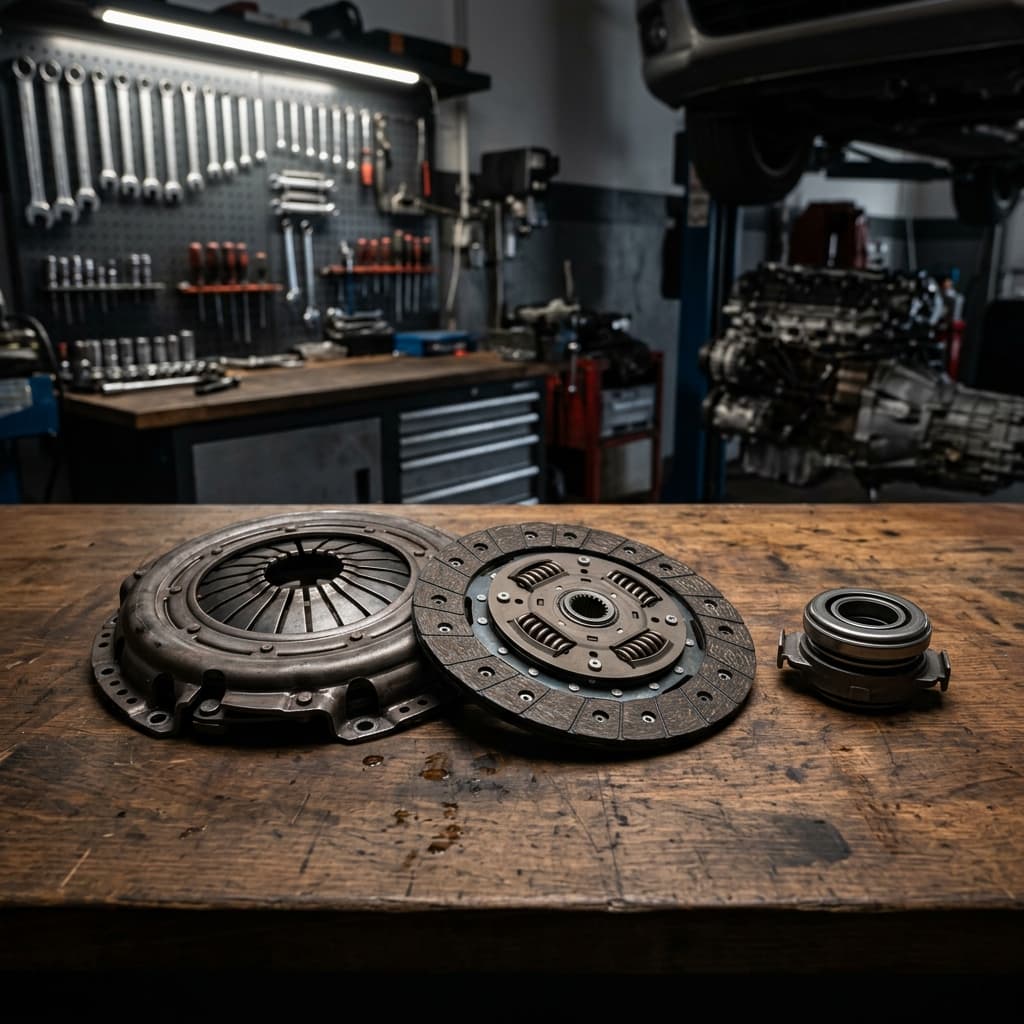
A burning clutch smell means your clutch disc's friction material is overheating. This is usually caused by riding the clutch, excessive slipping in traffic, a worn clutch disc, or oil contamination. If the smell is brief and doesn't return, you're likely fine. If it's persistent or accompanied by slipping or difficulty shifting, stop driving and get it inspected.
The burning clutch smell is one of the most searched automotive questions online, and for good reason: it can range from a minor bad habit to a sign of serious mechanical failure. Here's everything you need to know.
What Does a Burning Clutch Smell Like?
A burning clutch produces a distinctive sharp, acrid odor that's often compared to burning rubber, burning paper, or an electrical burn. It's different from brake smell (which is more metallic) and different from an engine oil burning smell (which is more oily and smoky). Once you've smelled it, you'll recognize it immediately.
What Causes a Burning Clutch Smell?
The smell occurs when the clutch disc's friction material overheats. This can happen for several reasons:
Riding the clutch: Resting your foot on the clutch pedal while driving causes constant, light contact between the clutch disc and flywheel, generating heat and wearing the friction material.
Slipping the clutch excessively: In stop-and-go traffic, on hills, or when learning to drive manual, excessive slipping generates heat faster than the clutch can dissipate it.
Worn clutch disc: As a clutch wears down, there's less friction material available. This makes slipping more likely during normal driving, generating the burning smell.
Aggressive driving: Hard launches, racing starts, or towing heavy loads put enormous stress on the clutch system.
Contamination: Oil leaking onto the clutch disc (from a rear main seal or input shaft seal) can cause slipping and burning.
Is It Safe to Keep Driving?
If you notice a brief burning clutch smell during a hill start or in heavy traffic, and it goes away quickly, you're likely fine. Your clutch got hot but wasn't damaged.
However, if the smell is persistent, recurring, or accompanied by any of these symptoms, stop driving and get the vehicle inspected:
- A clutch pedal that feels different (softer, higher engagement point) — this is a separate but related problem worth reading about
- The engine revs but the car doesn't accelerate proportionally (clutch slipping)
- Difficulty shifting gears
- Visible smoke from under the vehicle
How to Prevent Clutch Burning
- Don't ride the clutch: Keep your foot completely off the clutch pedal when not actively shifting.
- Use the parking brake on hills: Instead of holding the car with the clutch on inclines, use your parking brake and release it as you engage the clutch.
- Shift smoothly: Avoid dropping the clutch or revving excessively during shifts.
- Downshift appropriately: Use engine braking to slow down rather than riding the brakes and clutch simultaneously.
When to See a Mechanic
If the burning smell is frequent, if your clutch feels different, or if you notice slipping, it's time for a professional inspection. Clutch replacement is a major repair, but catching wear early gives you time to plan and budget rather than being stranded.
At Chloe's Auto Repair & Tire, our technicians are experts in manual transmission diagnosis and clutch repair. We'll give you an honest assessment and fair price at any of our five locations.